
The EV Gap
As sales of electric vehicles grow, low-income households are being left behind.
Despite the strong growth in EV sales, beneath the surface, a severe “EV Gap” exists between low-income and more affluent households.
Given the high upfront costs of an EV, it is not surprising that only 2% of lower income Americans say they own an EV and only 7% are seriously considering purchasing an EV. (source)
By 2050, some 30 million gasoline-only vehicles will still be on the road. Most will be driven by low-income households.
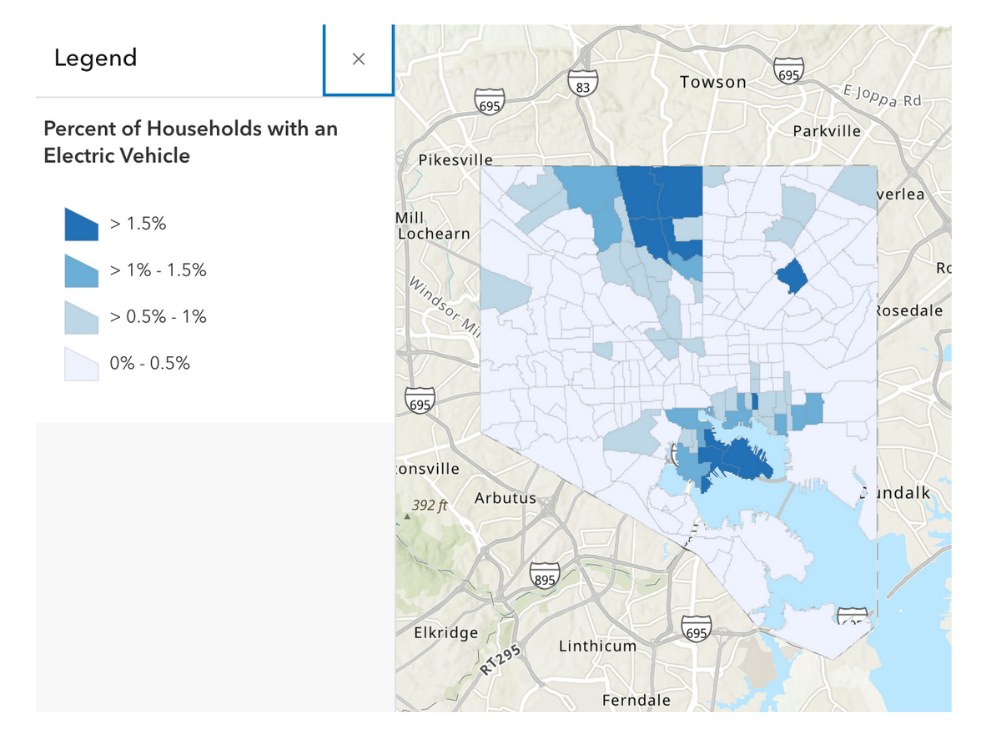
Baltimore’s EV Gap
As sales of electric vehicles grow, low-income households are being left behind.
Data from an Argonne National Laboratory report confirmed that households in some of Baltimore’s lowest-income neighborhoods spend a higher share of their income on fuel than many wealthier neighborhoods. For example, the poverty rate is 27.5% and transportation energy burden is 4.6% in the census tract that includes the Armistead Gardens neighborhood, while those rates fall to just 3.0% and 1.4% respectively in the census tract that includes the Homeland neighborhood.
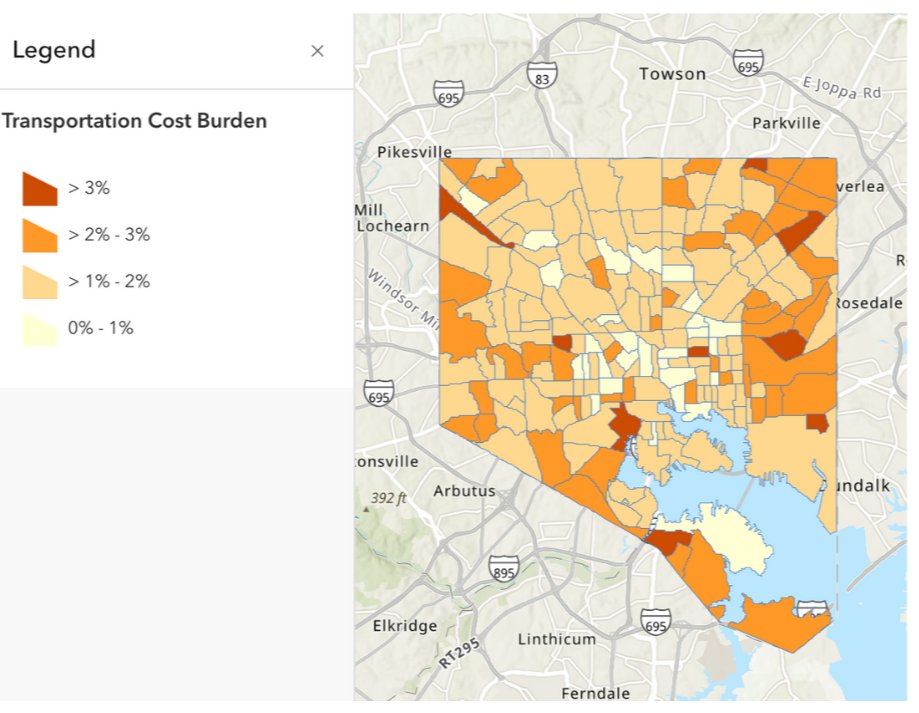
Given the high upfront costs of an EV, it is not surprising that only 2% of lower income Americans say they own an EV and only 7% are seriously considering purchasing an EV. (source)
-

New York
What should we know about the services you provide? Better descriptions result in more sales.
-

Los Angeles
What should we know about the services you provide? Better descriptions result in more sales.
-

Boston
What should we know about the services you provide? Better descriptions result in more sales.
-

Portland
What should we know about the services you provide? Better descriptions result in more sales.
-
Atlanta
Description goes here -
Philadelphia
Description goes here -
Chicago
Description goes here -
Washington, DC
Description goes here