
The EV Gap
The rich save money. The poor pay more.
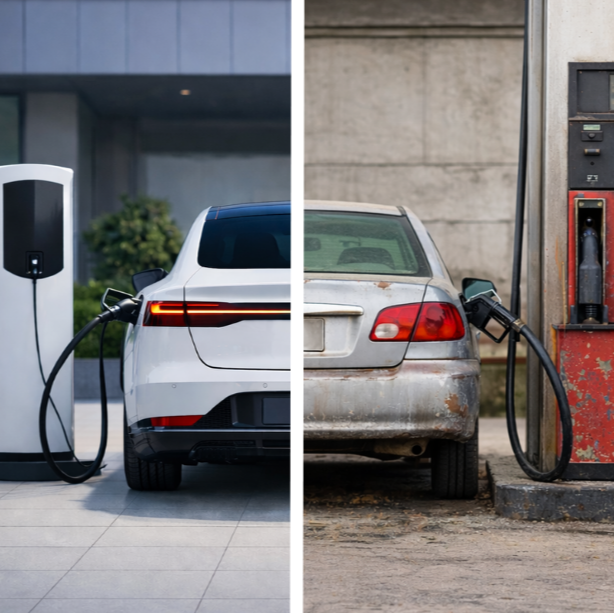
Electric Vehicles (EVs) promise to save 60% on fuel and cut maintenance costs in half. But who’s saving that money? Sadly, EVs are the latest in a tragic pattern of energy injustice in the U.S. Like rooftop solar and heat pumps, the high upfront costs of new or even used EVs, means most low-income families never share in the savings these technologies provide.
Wealthy households save money, while the poor, for whom those savings could be life-changing, pay more for electricity, for heating and cooling, and now, for transportation.
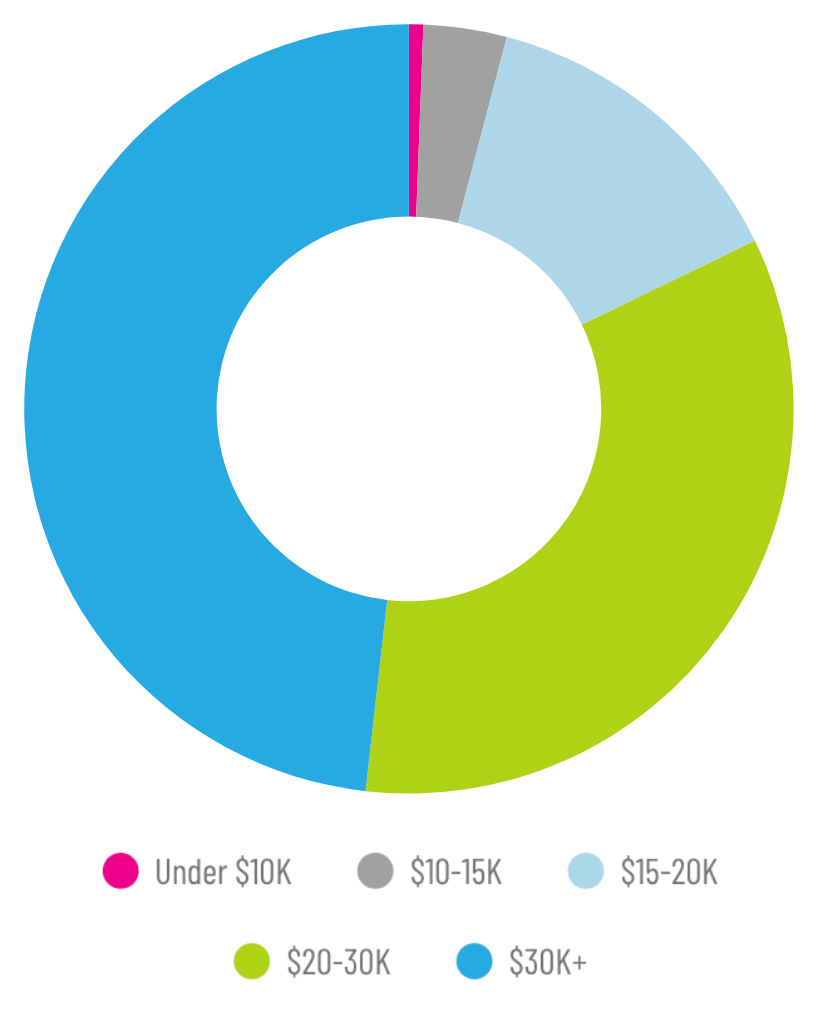
Advertised Price of Used EVs
The High Cost of Savings
In the U.S. a “top-down” approach to Electric Vehicles prioritizes high-performance luxury models that serve only upper-income households. The average price of a new EV remains over $50,000, while affordable used EVs are scarce and have very limited range.
In fact, an analysis by GoodWheels of used EVs for sale within 100 miles of Baltimore, MD found that fewer than 1% of EVs were priced below $10,000. Among those options, the average vehicle was 10 years old and the original battery range was just 84 miles. After 10 years on the road, the actual battery range of these vehicles is likely 50 miles or less.
Now the repeal of federal rebates have put EVs even further out of reach for low-income households, just as tariffs are also increasing the cost to repair their old and unreliable cars. Without intervention, a widening “EV Gap” may actually increase economic inequality.
Source: April 2025 GoodWheels analysis of Autotrader search results within 100 miles of Baltimore, MD
In Baltimore, families in some low-income neighborhoods spend 3x more of their income on gasoline, while wealthy neighborhoods have an EV ownership rate that is 40x higher.
Mapping Baltimore’s EV Gap
Households in some of Baltimore’s lowest-income neighborhoods spend a higher share of their income on fuel (“transportation cost burden”) than many wealthier neighborhoods.
In Armistead Gardens, where the poverty rate is 27.5%, households spend nearly 5% of their income on gasoline. In contrast, the poverty rate in the wealthy Homeland neighborhood is just 3.0% and households in Homeland spend 70% less of their income on gasoline.
More than half of EVs in Baltimore are clustered in census tracts that account for just 20% of households in the city. In early 2025, the EV ownership rate in the Homeland neighborhood was 40 times higher (4,000%) than in Armistead Gardens. In fact, among the roughly 1,100 households in Armistead Gardens, there was just 1 EV registered compared to more than 40 in Homeland.
As the contrast of these two maps shows, areas with a high rate of EV ownership spend a smaller share of their income on gasoline (they have a lower transportation cost burden). This reflects the higher median income levels of those areas. But it also demonstrates that the lower-income households who would most benefit from the savings of an EV are the least likely to have one.
The EV Gap in Other Cities
-
Washington, DC
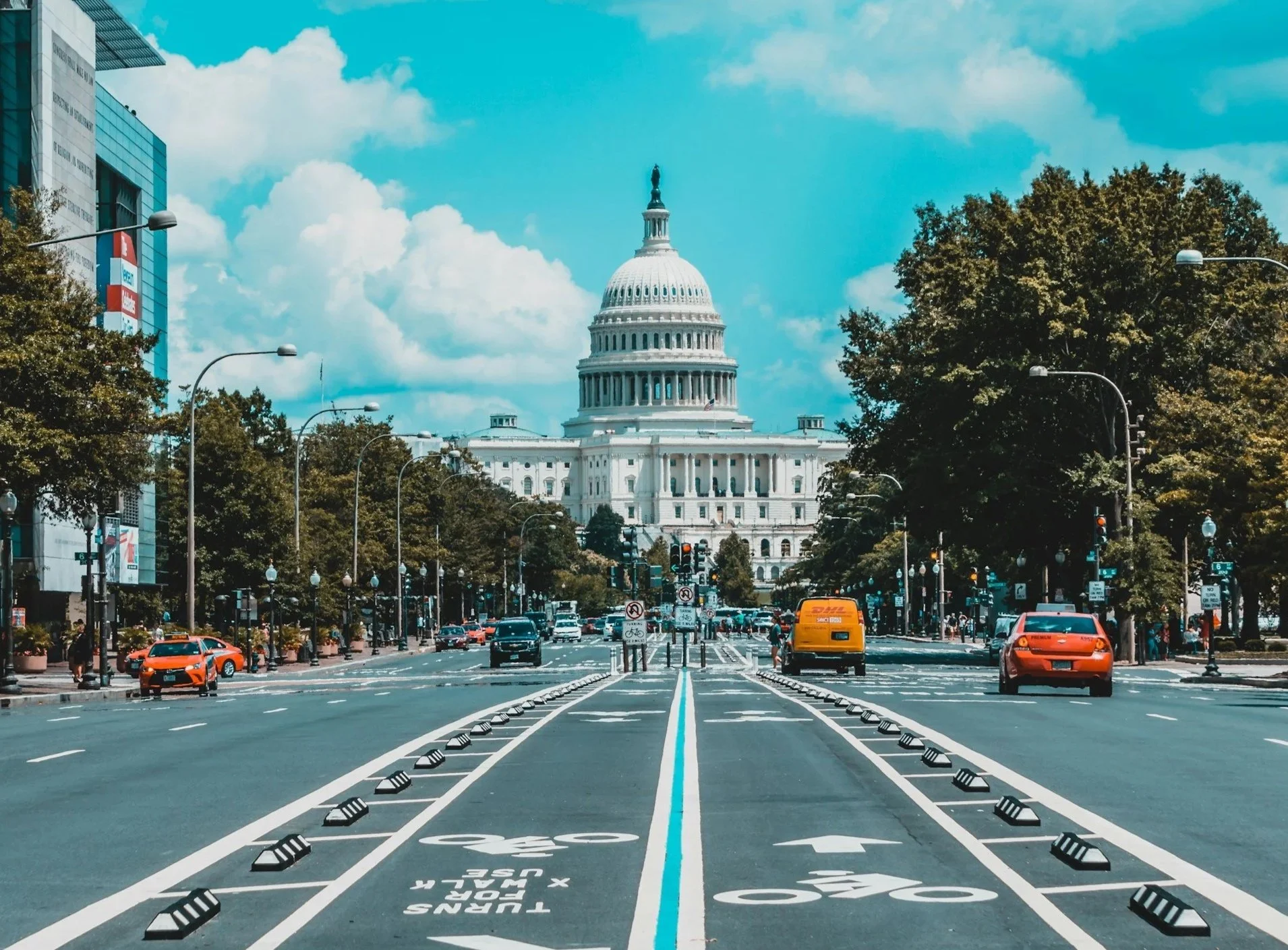
Neighborhoods just across the border in Montgomery County, Maryland have EV ownership rates 20x higher than those in the poorest DC neighborhoods.
-
Portland, Oregon
Analysis in progress. Check back soon.
-
Minneapolis
Analysis in progress. Check back soon.
-
Atlanta
Analysis in progress. Check back soon.